
Are you ready to elevate your camping experience—literally? Rooftop tent camping has exploded in popularity over the past few years, and for good reason. It combines the freedom of vehicle-based travel with the comfort of elevated sleeping quarters, all while keeping you safe from ground-dwelling critters and uneven terrain. If you’re new to this exciting camping style, this ultimate guide will help you get started on your rooftop adventure.
Table of Contents
What is Rooftop Tent Camping?

Rooftop tent camping involves mounting a specialized tent on top of your vehicle—whether it’s an SUV, truck, or even a sturdy crossover. These tents are designed to be durable, weather-resistant, and surprisingly spacious. Unlike traditional ground tents, rooftop tents set up in minutes and provide a comfortable sleeping platform wherever you park.
The concept originated in Australia and Africa, where adventurers needed protection from wildlife and wet ground conditions. Today, it’s become a favorite among overlanders, road trippers, and weekend warriors who value convenience and comfort.
Why Choose a Rooftop Tent?

Quick setup and takedown is perhaps the biggest advantage. Most rooftop tents can be deployed in under five minutes—no more wrestling with poles and stakes. You also get better views and ventilation since you’re sleeping several feet off the ground. The elevated position keeps you away from puddles, rocks, and bugs while offering stunning sunrise views.
Security and comfort are other major benefits. Being off the ground provides peace of mind in areas with wildlife, and the built-in mattresses are typically much more comfortable than sleeping pads. Plus, you can set up camp almost anywhere your vehicle can go, from beach parking lots to mountain trailheads.
Types of Rooftop Tents

Understanding the different styles will help you choose the right tent for your needs.
- Hard-shell rooftop tents feature a rigid exterior that opens like a clamshell. They’re aerodynamic, quick to set up, and excellent for frequent travelers. However, they’re generally more expensive and offer less internal space than soft-shell options.
- Soft-shell rooftop tents are the traditional style, with fabric that folds out to create sleeping space. They’re more affordable and often provide more room, including annex areas. The trade-off is a slightly longer setup time and more wind resistance while driving.
- Hybrid designs combine elements of both, offering a balance between convenience and space. Some even include integrated annexes for additional living space or gear storage.
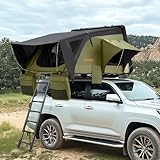
- Lightweight, Tough, Ready: Made from ABS anti-aging polymer, this shell is just 11.8 in high, reducing wind drag for smoother travels. It features 420D double ripstop Oxford fabric, double-stitched seams, and 280G poly-cotton for a 5,000mm waterproof rating and UV 50+ protection, and a canopy for extra protection against heavy rain. Flip the latches, lift the lid, and use the 90.55 in ladder to lower the floor, and you’re ready!
Essential Considerations Before Buying

Before you invest in rooftop tent camping gear, check your vehicle’s weight capacity. Your roof rack must be rated to handle both the static weight (when parked) and dynamic weight (while driving) of the tent. Most rooftop tents weigh between 100-200 pounds, and you’ll need a quality roof rack system to support it.
Budget planning is crucial. Entry-level tents start around $1,000, while premium models can exceed $4,000. Don’t forget to factor in the cost of roof racks, which can add another $300-$800 to your setup.
Consider your camping frequency and style. Weekend warriors might prioritize quick setup with a hard-shell tent, while extended overlanders may want the extra space of a soft-shell design. Think about whether you’ll camp in extreme weather, as this affects insulation and weatherproofing needs.
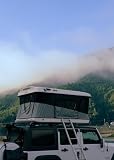
- CAR ROOFTOP TENT – With ample space for up to 3 people. When open, it measures 55”x79”x39”, providing room for a cozy night’s sleep. When closed, it reduces to a compact size of 55”x79”x13”, for easy transport and storage. Weight:139 pounds
Setting Up Your First Rooftop Camp

Once you’ve got your tent mounted, it’s time to hit the road. Choose your campsite wisely—you’ll need level ground and enough clearance to open your tent fully. Always practice setting up your tent at home before your first trip to familiarize yourself with the process.
Level your vehicle using a bubble level or smartphone app. Even a slight tilt can make sleeping uncomfortable. Some campers carry leveling blocks or boards to adjust their vehicle’s position.
Secure your ladder properly and ensure it’s stable before climbing. Most rooftop tents come with telescoping ladders that adjust to different heights. Safety first—never rush when accessing your elevated sleeping quarters.

- 100% ALUMINUM ALLOY MATERIAL: Made of high quality aircraft grade aluminum, not easy to aging and thermal expansion and contraction, super durable, can be used for many years. If it is made of plastic, it is easy to leak after winter and summer seasons.
Essential Gear for Rooftop Tent Camping

Beyond the tent itself, you’ll need some key accessories. A quality roof rack system is non-negotiable—invest in a reputable brand like Yakima, Thule, or Prinsu. Don’t cut corners here, as your safety depends on it.
Camp lighting is essential since you’ll be elevated off the ground. LED string lights or rechargeable lanterns work perfectly for illuminating your tent and the area below. Consider a portable power station for charging devices and running small appliances.
Pack organizational solutions like hanging pockets and gear lofts to maximize your tent’s interior space. A good sleeping bag rated for the temperatures you’ll encounter, along with extra blankets for cold nights, will ensure comfortable sleep.
Safety Tips for Rooftop Tent Camping

- Weight distribution matters significantly. Keep heavier items in your vehicle rather than in the tent, and never exceed your roof rack’s weight rating. Most tents sleep 2-4 people, but always check the manufacturer’s specifications.
- Weather awareness is critical. High winds can rock your vehicle and tent, making sleep difficult or even dangerous. If severe weather approaches, consider moving to a ground-level shelter. Always secure your tent properly before driving—a loose tent at highway speeds is extremely dangerous.
- Ladder safety cannot be overstated. Make sure the ladder is locked in place before climbing, and always maintain three points of contact. It’s wise to establish a rule that only one person uses the ladder at a time.
Best Destinations for Rooftop Tent Camping

National forests and Bureau of Land Management (BLM) lands offer incredible dispersed camping opportunities perfect for rooftop tent camping. You’ll find stunning locations across the American West where you can camp for free on public lands.
State and national parks increasingly accommodate rooftop tent campers in standard campground sites. Popular overlanding destinations like Moab, Utah, and the Pacific Coast Highway provide endless opportunities for elevated camping adventures.
Beach camping is particularly enjoyable with a rooftop tent, as you’re elevated above the sand and can fall asleep to ocean sounds. Just be mindful of tide schedules and soft sand that could trap your vehicle.
Maintenance and Care

After each trip, clean and dry your tent thoroughly before storing it. Moisture trapped in fabric can lead to mold and mildew, which ruins tents quickly. Set it up in your driveway or garage to air out completely.
Inspect hardware regularly—check mounting bolts, zippers, and ladder connections. Tighten any loose bolts and lubricate moving parts as needed. Most manufacturers recommend checking mounting hardware before every trip.
Proper storage extends your tent’s life significantly. If possible, remove the tent from your vehicle during extended periods of non-use. This reduces wear on your vehicle’s suspension and protects the tent from UV damage and weather exposure.
Making the Most of Your Rooftop Tent Experience
Rooftop tent camping offers unparalleled freedom and comfort for outdoor adventures. Start with shorter trips close to home to build confidence with your setup, then gradually venture further afield. Join online communities and forums where experienced rooftop campers share tips, favorite campsites, and gear recommendations.
Remember that every camping style has a learning curve. You’ll discover your own preferences for setup routines, packing strategies, and ideal destinations. The beauty of rooftop tent camping is its flexibility—you can enjoy quick overnight escapes or month-long expeditions with equal ease.
Embrace the adventure, respect the environment by following Leave No Trace principles, and enjoy the incredible perspectives that come with sleeping under the stars at vehicle height. Your rooftop camping journey promises unforgettable memories and a whole new way to experience the great outdoors.
Love this guide to rooftop tent camping? Save this pin to your camping or outdoor adventure Pinterest board so you can reference it when planning your first rooftop camping trip! Share it with friends who are curious about this amazing way to explore—they’ll thank you when they’re watching sunrises from their elevated campsite.

