

An RV gas alarm is one of those tiny devices you barely notice—until the moment you desperately need it. Whether you’re cooking dinner, running the furnace, or sleeping through a chilly night, your gas alarm is constantly working in the background to protect you from propane leaks and carbon monoxide. But here’s the part many RV owners don’t realize: these alarms wear out, need regular testing, and can fail without warning. Knowing how yours works—and how to keep it reliable—can make the difference between a safe trip and a dangerous situation on the road.
Table of Contents
What Is an RV Gas Alarm?

An RV gas alarm, sometimes called an RV propane detector or LP gas alarm, is a safety device designed to detect dangerous gases inside your RV and warn occupants before gas concentrations become hazardous.
Most RV gas alarms are installed near the floor because propane is heavier than air and tends to settle in lower areas of the RV. When unsafe gas levels are detected, the alarm emits a loud warning sound to alert everyone inside.
Modern RVs often come equipped with a factory-installed gas alarm, but many owners don’t realize that these units require testing, maintenance, and periodic replacement.
How Does an RV Gas Alarm Work?

An RV gas alarm continuously monitors the air inside your RV using sensitive gas-detection sensors.
When the sensor identifies unsafe levels of propane or other combustible gases, it activates an audible alarm and, on some models, visual warning lights.
How the Detection Process Works
- Air enters the alarm’s sensor chamber.
- The sensor analyzes the air for combustible gases.
- Gas levels above safe limits trigger the alarm.
- The warning continues until the gas concentration drops or the problem is resolved.
The process is automatic and operates around the clock whenever the unit has power.
What Gases Does an RV Gas Alarm Detect?
Not every alarm detects the same gases, so it’s important to understand the capabilities of your specific unit.
Propane (LP Gas)
Propane is the primary gas detected by most RV gas alarms.
Many RV appliances rely on propane, including:
- Furnaces
- Water heaters
- Refrigerators
- Stoves and ovens
Because propane is highly flammable, even a small leak can create a dangerous situation.
Carbon Monoxide (CO)
Some RVs have separate carbon monoxide detectors, while others use combination units.
Carbon monoxide can be produced by:
- RV generators
- Furnaces
- Water heaters
- Engines
- Portable heaters
Because carbon monoxide is odorless and invisible, an RV CO detector is essential.
Other Combustible Gases
Depending on the model, some alarms may also detect:
- Methane
- Butane
- Natural gas
- Other combustible vapors
Always review your owner’s manual to determine what gases your detector monitors.
RV Gas Alarm vs. CO Detector: Quick Comparison
| Detector Type | Detects | Typical Lifespan | Placement | Notes |
|---|---|---|---|---|
| Propane (LP) Detector | Propane leaks | 5–7 years | Near floor | Required in most RVs |
| CO Detector | Carbon monoxide | 5–10 years | Eye level or ceiling area | Often a separate device |
| Combination Detector | LP gas + Carbon monoxide | 5–7 years | Varies by model | Convenient all-in-one solution |
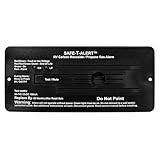
- DUAL PROPANE & CO DETECTION – Patented Double-Duty Alarm upgrades your RV’s safety by combining Propane Gas and Carbon Monoxide detection in one unit. Replaces single 12V propane alarms without extra wiring or modifications.
- EASY RV UPGRADE – Flush mount design fits Class A, B, C Motorhomes, Travel Trailers, Fifth Wheels, and Campers. Direct replacement for Safe-T-Alert 30-442 and most CCI Controls flush mount propane alarms.
- 12V POWERED, NO BATTERIES NEEDED – Operates on 12v DC (108mA @ 12v DC) for reliable, maintenance-free protection. Includes low voltage warning and power-conserving circuitry.

Why an RV Propane Detector Is One of the Most Important RV Safety Devices
An RV propane detector is one of the most valuable RV safety devices you can have.
While many RV owners focus on maintaining tires, batteries, and appliances, gas detection equipment provides protection against hazards that are often impossible to detect without specialized sensors.
A complete RV safety setup should include:
- RV gas alarm
- RV CO detector
- Smoke detector
- Fire extinguisher
- Emergency exit plan
Together, these devices help create a safer camping environment for everyone on board.

- BUILT FOR RVS – Compact surface mount design ideal for Travel Trailers, Fifth Wheels, Truck Campers, and Folding Campers. Engineered for rugged RV environments.
- ADVANCED PROPANE DETECTION – Alarm Mute button allows safe ventilation while the rapid recovery sensor reactivates if propane levels remain dangerous. Alarm activates at
- RELIABLE 12V POWER – Operates on 12v DC (75mA @ 12v DC) for dependable, battery-free protection. Innovative circuitry conserves power for long-term use.
Propane Leaks, Carbon Monoxide, and RV Safety
Understanding propane leaks and carbon monoxide exposure is critical for every RV owner. Your RV gas alarm, LP gas alarm, and RV CO detector work together to help detect problems before they become emergencies.
Propane Leak Dangers
Propane is a reliable fuel source, but leaks can quickly become dangerous.
Potential risks include:
- Fires
- Explosions
- Property damage
- Personal injury
A propane leak should always be treated as a serious safety concern.
Signs of a Propane Leak
Watch for these warning signs:
- Rotten egg or sulfur smell
- Hissing sounds near propane lines
- Appliances operating improperly
- Unexpected activation of your RV propane detector
- Frost buildup near propane fittings
Never ignore these symptoms.
What To Do If You Suspect a Leak
If you suspect a propane leak:
- Turn off the propane supply immediately.
- Extinguish open flames.
- Avoid operating electrical switches.
- Open windows and doors.
- Evacuate the RV if necessary.
- Have the propane system professionally inspected before use.
Carbon Monoxide Risks
Carbon monoxide is often called the “silent killer” because it cannot be seen, smelled, or tasted.
This gas can accumulate quickly when combustion appliances malfunction or ventilation is inadequate.
CO Poisoning Symptoms
Common symptoms include:
- Headaches
- Dizziness
- Nausea
- Fatigue
- Weakness
- Confusion
If your RV CO detector sounds, move everyone outdoors immediately and seek fresh air.
Never ignore a carbon monoxide alarm.
Warning Signs Your RV Gas Alarm May Be Failing
Like all electronic devices, RV gas alarms have a limited lifespan.
Frequent False Alarms
Occasional false alarms can occur, but repeated unexplained activations may indicate a failing sensor.
Constant Chirping or Beeping
Many alarms use chirping sounds to indicate:
- Low voltage
- Sensor expiration
- Internal faults
Failure During Testing
If the alarm does not respond properly during testing, replacement may be necessary.
Fault Indicator Lights
Yellow, amber, or fault lights often indicate sensor problems.
Expired Service Life
Many RV owners are surprised to learn that gas alarms expire even if they appear to be functioning normally.
How to Test an RV Gas Alarm
Regular testing ensures your alarm will work when needed.
Use the Built-In Test Button
Most RV gas alarms include a test feature.
To test:
- Verify the unit has power.
- Press and hold the test button.
- Wait for the alarm to sound.
- Confirm warning lights function correctly.
Test Before Every Trip
A good testing schedule includes:
- Monthly inspections
- Before every camping trip
- After extended storage
- After battery replacements
Verify Power Supply
Most RV propane detectors operate on your RV’s 12-volt electrical system.
Inspect:
- Batteries
- Wiring
- Fuses
- Connections
Power issues can prevent the alarm from functioning correctly.
RV Gas Alarm Maintenance Tips
Proper maintenance can extend the life of your alarm and improve reliability.
Keep the Detector Clean
Dust and debris can affect sensor performance.
Gently vacuum around the unit or use a soft brush to remove buildup.
Avoid Chemical Sprays Nearby
Certain products may trigger false alarms, including:
- Air fresheners
- Cleaning products
- Paint fumes
- Aerosol sprays
Use these products only in well-ventilated areas.
Add It to Your RV Maintenance Checklist
During routine maintenance, inspect:
- Alarm operation
- Indicator lights
- Mounting hardware
- Wiring connections
Follow Manufacturer Recommendations
Every model is different. Always follow the maintenance guidelines supplied by the manufacturer.
When Should You Replace an RV Gas Alarm?
Gas detectors do not last forever.
Typical RV Gas Alarm Lifespan
Most detectors require replacement every:
- 5–7 years for propane detectors
- 5–10 years for carbon monoxide detectors
- 5–7 years for combination units
Check the label on your detector for the manufacturer’s recommended replacement date.
Replace Immediately If:
- The detector fails testing
- The expiration date has passed
- Fault indicators remain illuminated
- The unit is physically damaged
Replacing an expired RV gas alarm is inexpensive compared to the potential cost of a gas-related accident.
Common RV Gas Alarm Mistakes
- Ignoring Alarm Warnings: Always investigate any alarm activation.
- Disabling the Detector: Never disconnect an RV gas alarm because of nuisance alerts.
- Forgetting Replacement Dates: Expired sensors may appear operational while no longer providing reliable protection.
- Blocking Airflow: Keep furniture, storage bins, and rugs away from the detector.
- Skipping Routine Tests: Regular testing is the easiest way to ensure the detector will function when needed.
Frequently Asked Questions About RV Gas Alarms
Test your RV gas alarm monthly, before every trip, and after long storage periods.
No. A propane detector monitors LP gas, while an RV CO detector monitors carbon monoxide. Some units combine both functions.
Possible causes include low voltage, sensor failure, expired service life, or actual gas detection.
It is not recommended. A functioning RV gas alarm is one of the most important RV safety devices and should be repaired or replaced immediately.
Most RV propane detectors last between 5 and 7 years, while carbon monoxide detectors may last up to 10 years depending on the model.
Conclusion
An RV gas alarm is a small but essential piece of safety equipment that every RV owner should understand. Whether it’s detecting propane leaks through an RV propane detector, monitoring carbon monoxide with an RV CO detector, or providing early warning of dangerous gas buildup, these devices help protect your RV and everyone inside it. By testing your alarm regularly, maintaining it properly, and replacing it when necessary, you’ll enjoy greater peace of mind on every adventure.
Safety reminder: Test your RV gas alarm regularly, replace expired detectors promptly, and never ignore warning signals. A working alarm can provide the critical early warning needed to prevent a serious emergency.

Recommended Readings
- 10 RV Kitchen Remodel Ideas to Transform Your Camper on Any Budget
- 30+ Must-Have RV Accessories for Every Road Tripper
- 10 RV Bedroom Decor Ideas: Cozy, Modern & Easy to Copy
- Inspiring RV Color Schemes: A Visual Delight for Modern Travelers
- Cozy RV Decorating Ideas for the Perfect Home on Wheels
- The Best RV TV Mount: A Comprehensive Guide for Travelers
